Cosmetic Dentistry in Bakersfield CA for Smile Makeovers
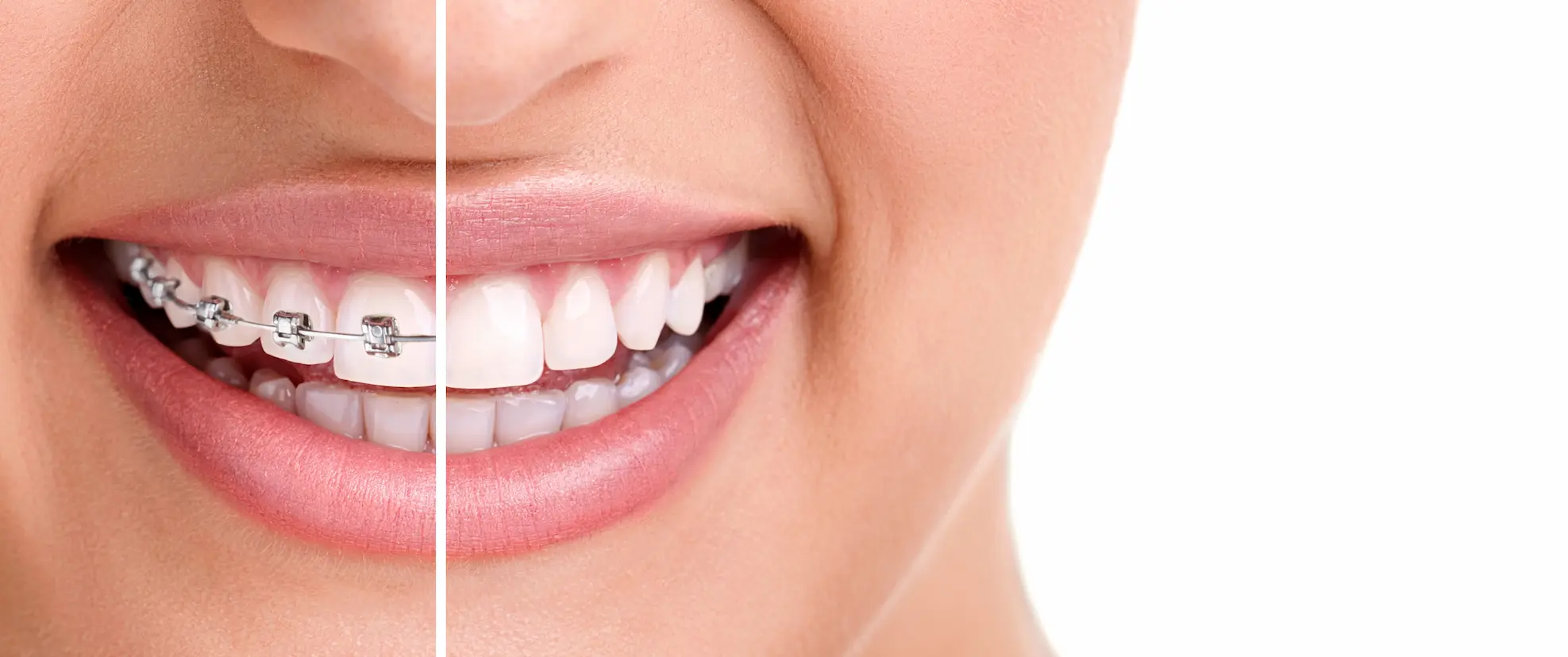
A smile makeover is rarely about vanity alone. In practice, most people who ask about cosmetic dentistry are trying to solve a cluster of problems at once. They may dislike the color of their teeth, feel self-conscious about chipping or crowding, or notice that old dental work no longer matches. Sometimes the issue is subtle. A person smiles less in photos, covers their mouth when they laugh, or avoids speaking up in meetings. Those habits can settle in so gradually that they feel normal, until a consultation makes it clear how much the smile has been affecting day-to-day life.
That is why cosmetic dentistry in Bakersfield CA tends to be more personal than people expect. A strong result is not just bright teeth. It is a smile that fits the face, functions comfortably, and still looks believable in ordinary light at close range. The best work almost disappears. Friends notice that someone looks rested, healthier, or more confident, but they cannot immediately point to a single procedure.
Patients often come in with photos saved on their phone, hoping to replicate a celebrity smile or a filtered image. Real life demands a different standard. Teeth need to suit lip movement, skin tone, bite pattern, and age. A smile that looks striking on a screen can seem oversized or flat in person. Good cosmetic treatment takes restraint as seriously as transformation.
What a smile makeover actually includes
A smile makeover is not one treatment. It is a plan that may involve whitening, bonding, veneers, clear aligners, crowns, gum recontouring, or replacement of older dental work. In some cases, the most important first step is not cosmetic at all. A patient may need gum therapy, cavity treatment, or bite stabilization before appearance can be addressed safely.
This is one of the most common misunderstandings around cosmetic dentistry Bakersfield CA patients should keep in mind. The visual result depends heavily on oral health and structural planning. If teeth are worn, fractured, or shifting, surface-level improvements alone can fail sooner than expected. A beautiful veneer placed on a tooth with unresolved grinding habits is at higher risk of chipping. Whitening a mouth full of mismatched crowns can make the natural teeth brighter while leaving the restorations looking darker than before.
In a sound makeover plan, the dentist studies proportion, symmetry, color, gum display, speech patterns, and bite forces together. Lengthening front teeth may help one patient look younger and more balanced, but the same move could create a bulky or artificial result in another. There is no single formula because faces are not formulas.
Why people in Bakersfield seek cosmetic care
Every community develops its own pattern of dental concerns, and local lifestyle plays a role. In Bakersfield, plenty of adults juggle demanding work schedules, outdoor time, sports, family obligations, and long-postponed dental goals. Cosmetic concerns often build over years rather than appearing overnight. Coffee and tea staining, old fillings that darken around the edges, minor chips from wear, and crowding that has worsened since the teen years are common starting points.
There is also a practical side to timing. Patients frequently begin treatment before weddings, reunions, graduation season, business milestones, or professional transitions. Others finally address a smile they have disliked since adolescence once finances, confidence, or scheduling make it possible. The emotional relief can be striking. Many people have spent years avoiding the camera angle they now forget to think about.
The difference between a natural makeover and an obvious one
The most sophisticated cosmetic dentistry usually avoids looking "done." That sounds simple, but it takes judgment. Teeth that are too white can flatten facial warmth. Front teeth that are too uniform can erase character. Perfectly straight edges may not fit a mature face. Natural teeth have tiny variations in translucency, texture, and contour. Skilled cosmetic work borrows from nature rather than trying to outdo it.
One patient might benefit from a soft brightening and selective bonding on the two front teeth. Another may need alignment first, then whitening, then conservative veneers on six upper teeth to correct long-standing asymmetry. Both cases can count as a smile makeover, though one is modest and the other more comprehensive.
A dentist with cosmetic experience will usually spend time discussing what the patient does not want, not just what they want. Some people fear overly large veneers. Others dislike chalky, opaque shades. That conversation matters because "nice teeth" means different things to different people. A 28-year-old marketing professional, a 55-year-old attorney, and a retired teacher may each prefer a different degree of brightness and polish.
Treatments that often play a role
Several cosmetic options show up again and again in smile makeover planning. Which ones make sense depends on the condition of the teeth and the goals of the patient.
- Teeth whitening for lifting surface and internal staining when the shape and position of teeth are already pleasing.
- Cosmetic bonding for chips, small gaps, uneven edges, and localized shape corrections with minimal drilling.
- Porcelain veneers for more dramatic changes in color, contour, proportion, and mild alignment appearance.
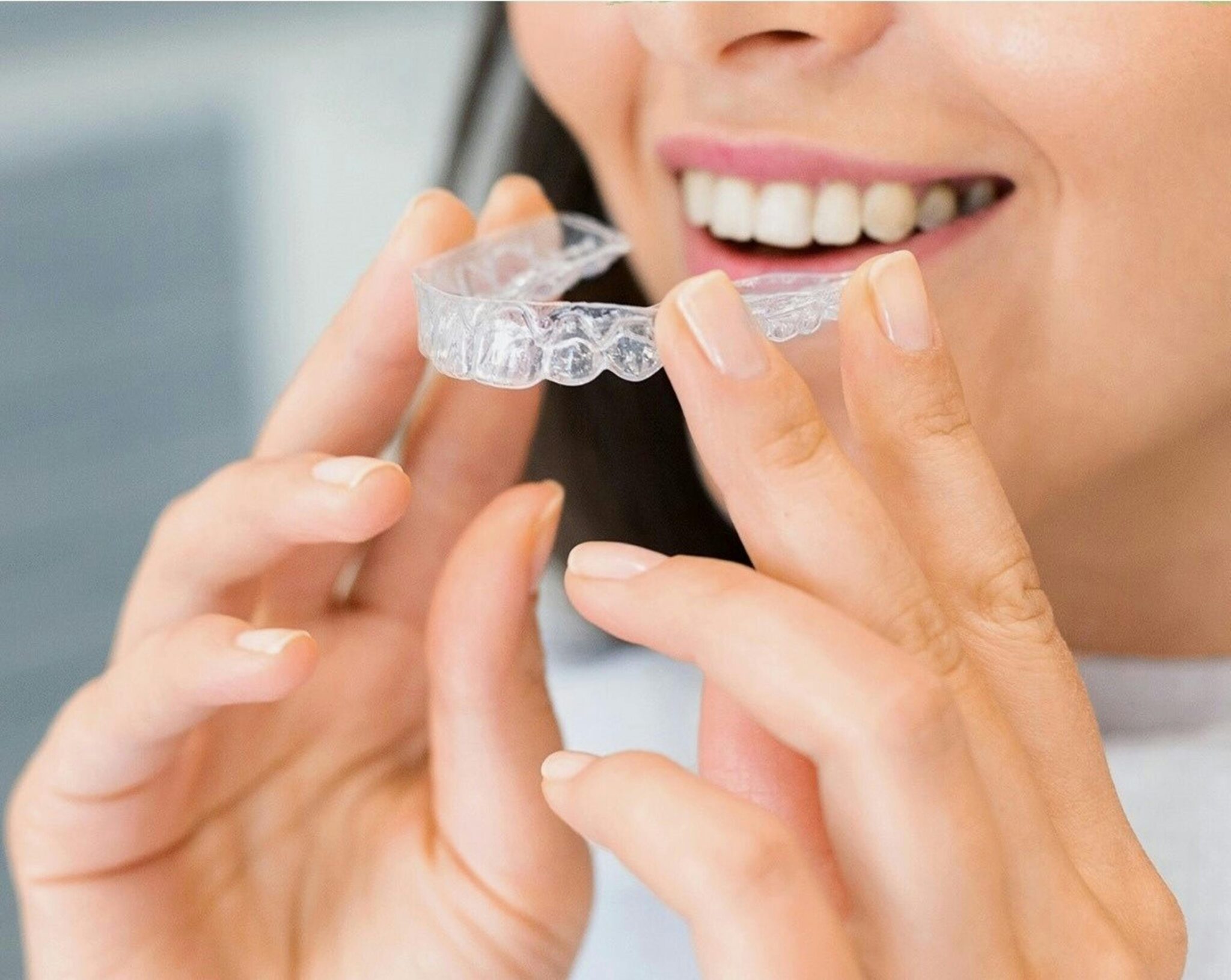
- Clear aligners for crowding, spacing, and bite refinement before final cosmetic finishing.
- Crowns or implant restorations when teeth are heavily restored, structurally weak, or missing.
Even within these categories, the quality of planning matters more than the label. Whitening can be done gradually to reduce sensitivity and produce a more believable shade. Bonding can look beautiful for years when used in the right place and polished carefully. Veneers can be conservative and refined, or they can be overbuilt and obvious. Clear aligners can improve not only straightness but also the spacing needed to avoid aggressive reduction later.
Whitening sounds simple, but it is not always the first move
Whitening is often the least invasive way to improve a smile, and many patients are right to start there. It can make an immediate difference in photographs and day-to-day confidence. That said, whitening does not change the color of crowns, veneers, or fillings. If a patient has older restorations on visible front teeth, brightening the natural teeth first can create a mismatch that then needs to be corrected.
Sensitivity is another real issue. Some patients tolerate whitening products with no trouble, while others feel zingers for a day or two, especially if they have gum recession or enamel wear. Professional oversight can help here. Lower concentrations used for a slightly longer period often work better than an aggressive one-size-fits-all approach.
There is also the matter of expectations. Whitening can refresh yellow or brown staining very well, but it is less predictable for gray discoloration, some tetracycline staining, and teeth with patchy internal changes. Honest cosmetic planning means saying when whitening alone will not create the result a patient has in mind.
Veneers can be excellent, but they are not a shortcut for everything
Porcelain veneers have earned a glamorous reputation, and sometimes deservedly so. They can correct shape, close gaps, mask deep discoloration, and create striking uniformity. When designed conservatively and fabricated well, they can be elegant, strong, and lifelike. They are also irreversible in most cases, because at least some enamel is usually reshaped to make room.
That is where experience matters. A patient with relatively straight, healthy teeth may not need veneers just because one corner is chipped and the color is dull. Bonding plus whitening could preserve more natural tooth structure and still look excellent. On the other hand, someone with uneven wear, old patchwork fillings on front teeth, and persistent discoloration might be frustrated by trying to solve each issue piecemeal. Veneers could offer a more coherent result.
One detail that patients often appreciate after the fact is texture. Beautiful veneers are not just white shells. They catch light with subtle depth. They have edge translucency where appropriate, and they are polished to reflect the way natural enamel does. Flat, opaque veneers can look clean from a distance and artificial up close.
Bonding deserves more respect than it gets
Cosmetic bonding is sometimes treated as the lesser option beside porcelain, but that misses its strengths. In the right case, bonding is conservative, efficient, and highly effective. A small chip on a front tooth, a slightly undersized lateral incisor, or a narrow black triangle near the gumline can often be improved with composite resin in one visit.
The trade-off is longevity and maintenance. Bonding can stain, dull, or chip more easily than porcelain, especially in patients who bite pens, grind their teeth, or drink heavy amounts of coffee and red wine. Still, for younger patients or those who want to preserve future options, bonding can be a smart place to begin. It is often easier to add than to remove, and that flexibility has real value.
A carefully done bonding case should not announce itself. The edge shape, polish, and color layering need to blend with the neighboring enamel. When it works, people usually cannot tell which tooth was repaired. They just see a balanced smile again.
Alignment changes the whole equation
Many adults think of orthodontics as separate from cosmetic dentistry, but clear aligners frequently make cosmetic work better and more conservative. Moving teeth into better positions can reduce the need for enamel reshaping, allow more symmetrical restorations, and improve gumline harmony. Even minor movement, over a few months rather than a few years, can set up a stronger final result.
This is especially true when a patient wants veneers mainly because teeth look crooked. If alignment can solve 70 to 80 percent of the visual concern, the remaining refinements may require far less porcelain, or none at all. That is often a better long-term decision for the teeth.
Bite also matters here. Front teeth that hit too heavily are more prone to chipping, whether natural, bonded, or veneered. Straightening can redistribute force and make cosmetic treatment hold up better. It is not the glamorous part of a makeover, but it is one of the reasons some cases age gracefully while others require constant repairs.
Gum shape can make beautiful teeth look uneven
When people evaluate their smile in the mirror, they usually focus on the teeth. Dentists look at the frame around them as well. Gum contour influences whether the smile appears youthful, balanced, and symmetrical. A pair of central incisors can be identical in length, but if one gum margin sits higher than the other, the teeth may still look uneven.
Minor gum recontouring can sometimes improve a smile more than patients expect. If excess gum tissue makes teeth appear short or square, reshaping the gumline may reveal better proportions. This should be approached carefully, because healthy tissue and biologic width matter more than cosmetic enthusiasm. Still, in selected cases, a small adjustment changes the whole composition of the smile.
Patients with "gummy smiles" need a proper diagnosis before assuming the gums are the only issue. The cause may involve tooth eruption patterns, lip movement, or jaw structure. The right treatment depends on the reason behind the appearance.
Choosing the right dentist for a smile makeover
Cosmetic work asks for both technical skill and visual judgment. Those are not always the same thing. A dentist can be excellent at general restorative care and still have a limited cosmetic eye, just as a polished social media gallery does not guarantee deep planning or long-term function.
A useful consultation usually includes a close exam, photographs, discussion of goals, review of bite and existing dental work, and a realistic explanation of options. Patients should feel free to ask how often the dentist performs the proposed treatment, whether before-and-after examples are available, and what maintenance may be required over time. If several teeth are involved, a mock-up or wax-up can be extremely helpful. Seeing a preview of shape and length often prevents disappointment later.
These questions help separate thoughtful planning from sales pressure:
- What problem is each recommended procedure solving?
- Are there conservative alternatives that preserve more tooth structure?
- How long should this option reasonably last with proper care?
- What maintenance or replacement costs might come later?
- How will this plan affect my bite, existing fillings, or future dental work?
In the world of cosmetic dentistry Bakersfield CA patients are often best served by a provider who can explain not just the ideal result, but also the compromises. Every treatment has some. Honesty there is a good sign.
Cost, value, and where people miscalculate
Smile makeovers vary widely in Cosmetic Dentistry Bakersfield CA price because the treatments vary widely in scope. Whitening is a very different commitment from eight porcelain veneers plus gum recontouring and aligner therapy. There is no honest flat number that fits every patient. What matters more is understanding what drives the cost and what creates value.
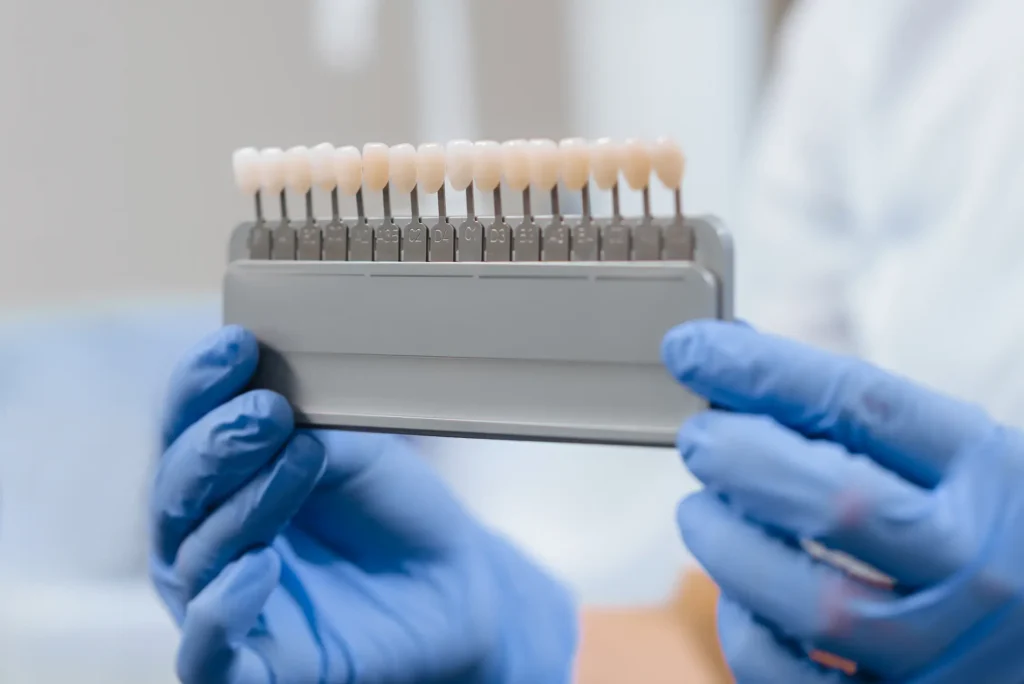
A lower quote may reflect fewer planning steps, lower-grade lab work, less time spent on customization, or a treatment plan that skips foundational issues. Sometimes that is perfectly acceptable for a modest cosmetic touch-up. In more visible or complex cases, though, corners show. Shade matching, temporaries, ceramist collaboration, bite refinement, and follow-up adjustments all take time and skill.
Patients also underestimate replacement cycles. Cosmetic dentistry is not always a one-time event for life. Bonding may need periodic polishing or repair. Whitening usually requires upkeep. Veneers and crowns can last many years, sometimes well over a decade, but they are not immortal. Someone deciding between cosmetic options should think in terms of long-term stewardship, not just day-one appearance.
What recovery and maintenance usually feel like
Recovery depends on the procedure. Whitening may cause short-lived sensitivity. Bonding generally involves little downtime. Veneers and crowns can bring temporary soreness around the gums, sensitivity to temperature, and an adjustment period while speech and bite settle. Clear aligners tend to create pressure rather than pain, though the first few days with a new tray can be noticeable.
The maintenance side is less dramatic but more important. Cosmetic work lasts longer when patients wear night guards if they grind, keep cleanings consistent, and avoid using teeth as tools. It sounds obvious, yet chipped edges often trace back to opening packages, crunching ice, or clenching through stress for months at a time.
A newly improved smile can also change a patient’s habits in a good way. People who once avoided flossing near rough old fillings often become more attentive when restorations feel smooth and attractive. Pride can be a useful maintenance tool.
When a smile makeover should wait
Not every patient should start cosmetic treatment right away. Active gum disease, untreated decay, uncontrolled clenching, and major bite instability should be addressed first. The same goes for patients who are unsure what they want and are being pulled mainly by impulse or social media comparison. Permanent dental work deserves a stable plan and a clear reason.
There are also cases where less treatment is better. A person may come in convinced they need ten veneers when, in truth, whitening and two areas of bonding would get them where they want to be. A disciplined cosmetic dentist knows when to recommend restraint. That kind of advice may generate less production in the short term, but it tends to produce better outcomes and stronger trust.
The best smile makeovers still look like the person wearing them
That is the standard worth keeping in mind. Cosmetic dentistry can absolutely create brighter, straighter, more harmonious teeth. It can repair years of wear, erase old dental mismatches, and make someone feel at ease in their own face again. But the most successful smile makeovers preserve identity while improving the details.
For patients exploring cosmetic dentistry in Bakersfield CA, the smartest path is rarely the flashiest one. It is the plan that fits the mouth, the personality, and Cosmetic Dentistry Bakersfield CA the long game. A smile should look good in a professional headshot, in afternoon sunlight, during conversation across a kitchen table, and ten years from now after ordinary life has had its say. That kind of result comes from careful diagnosis, conservative judgment, and treatment chosen for the right reasons.
Toothworks of Bakersfield, Dentist and Orthodontist
Address: 1030 H St #1, Bakersfield, CA 93304
Phone number: +16613239421
FAQ About Cosmetic Dentistry Bakersfield CA
What is considered cosmetic dentistry?
Cosmetic dentistry includes any dental treatment focused primarily on improving the appearance of your teeth, gums, or bite rather than treating a disease or restoring basic function.
How much does cosmetic dentistry usually cost?
The cost of cosmetic dentistry typically ranges from a few hundred dollars for minor touch-ups to over $20,000 for a comprehensive smile makeover, depending entirely on the specific procedure, materials used, and how many teeth are treated. Because most cosmetic treatments are elective, they are usually paid out of pocket without insurance coverage.
Is there a difference between a regular dentist and a cosmetic dentist?
Yes, a regular dentist focuses on your overall oral health and preventing disease, while a cosmetic dentist focuses on improving the look of your smile.